What makes a gravel rally environment?
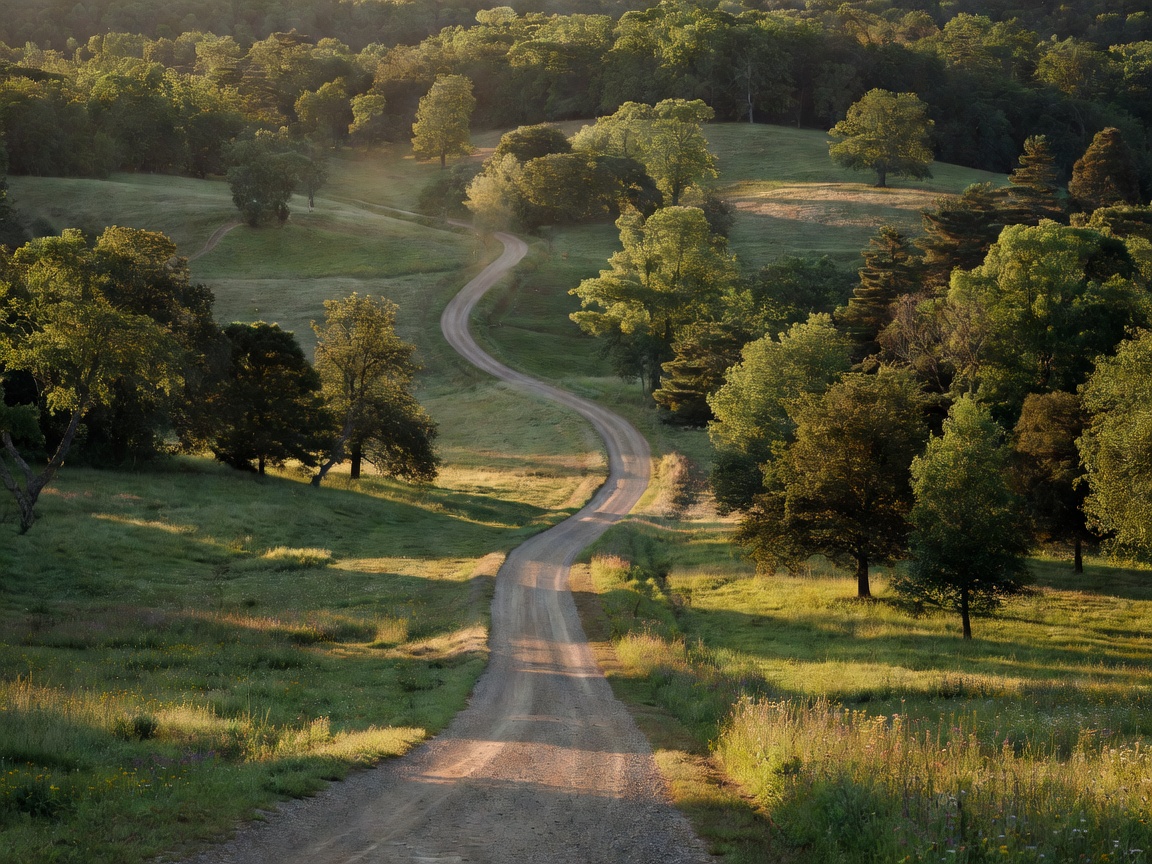
Gravel rallies use unsealed roads as competitive stages. These may be narrow forest roads, wider tracks crossing farmland, or routes through open countryside. A stage is a timed section on which crews compete; it is not simply any road in a rally region. Organizers may close roads temporarily and establish specific spectator areas. A road that appears suitable on a map is not evidence of public event access.
Rally Finland is associated with the Jyväskylä region, while Rally Italia Sardegna has brought gravel rallying to Sardinia. Rally Portugal is another established gravel destination in northern Portugal. These names are useful starting points for learning about distinct landscapes, not confirmation of any current itinerary, stage location, ticket arrangement or access permission. Check the relevant organizer’s official event information for the year you intend to travel.
Forest roads and open countryside
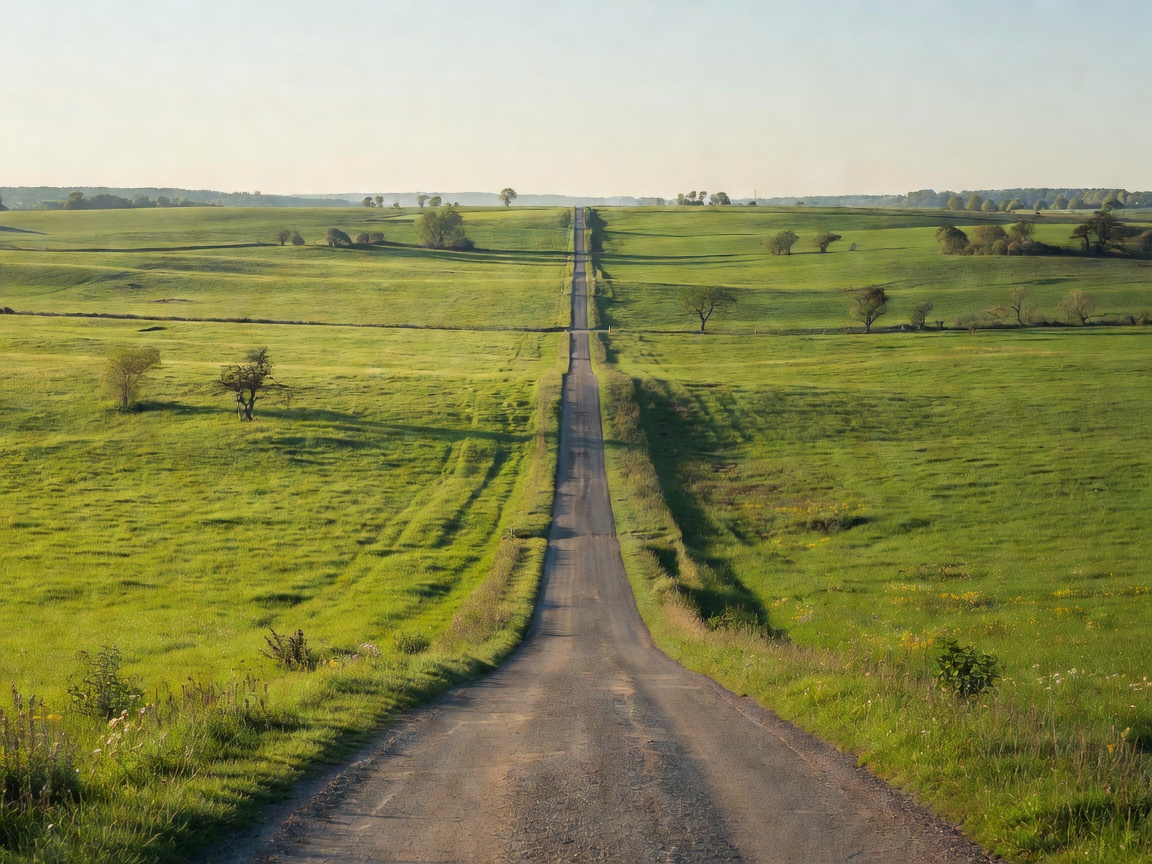
Forest settings can feel enclosed and atmospheric. Trees, cuttings and bends influence sightlines, while the ground may be uneven and damp underfoot. Open countryside can offer wider views and more sky, but exposure to wind, sun or rain may be greater. Neither setting automatically offers better viewing: the official spectator zone, natural sightlines and access arrangements are what matter.
Surface conditions can change during an event. Loose stones may be displaced, dust may affect visibility in dry conditions, and rain can soften shoulders or turn paths muddy. Do not assume that a previously used viewing spot remains suitable. Use only current event information, obey barriers and marshal instructions, and do not stand on the road edge or in an unapproved location.
Getting to a remote stage
Remote locations often require more than a short drive. An official spectator plan may specify a parking area, shuttle, walking route or arrival window. Build your day around that information rather than estimating access from a map. Rural mobile coverage can be patchy; save essential instructions offline, agree a meeting point with companions and carry any relevant travel details with you.
Wear sturdy footwear with grip and ankle support if appropriate to your route. A spectator may walk across gravel, grass, woodland paths or muddy ground, sometimes in low light. Carry water, weather layers and personal medication. Keep clear of private land, agricultural access and emergency routes. Local residents still need to move around their communities, so follow parking restrictions and avoid blocking entrances.
PLACE NOTES / REGION FIRST
Remote or accessible?
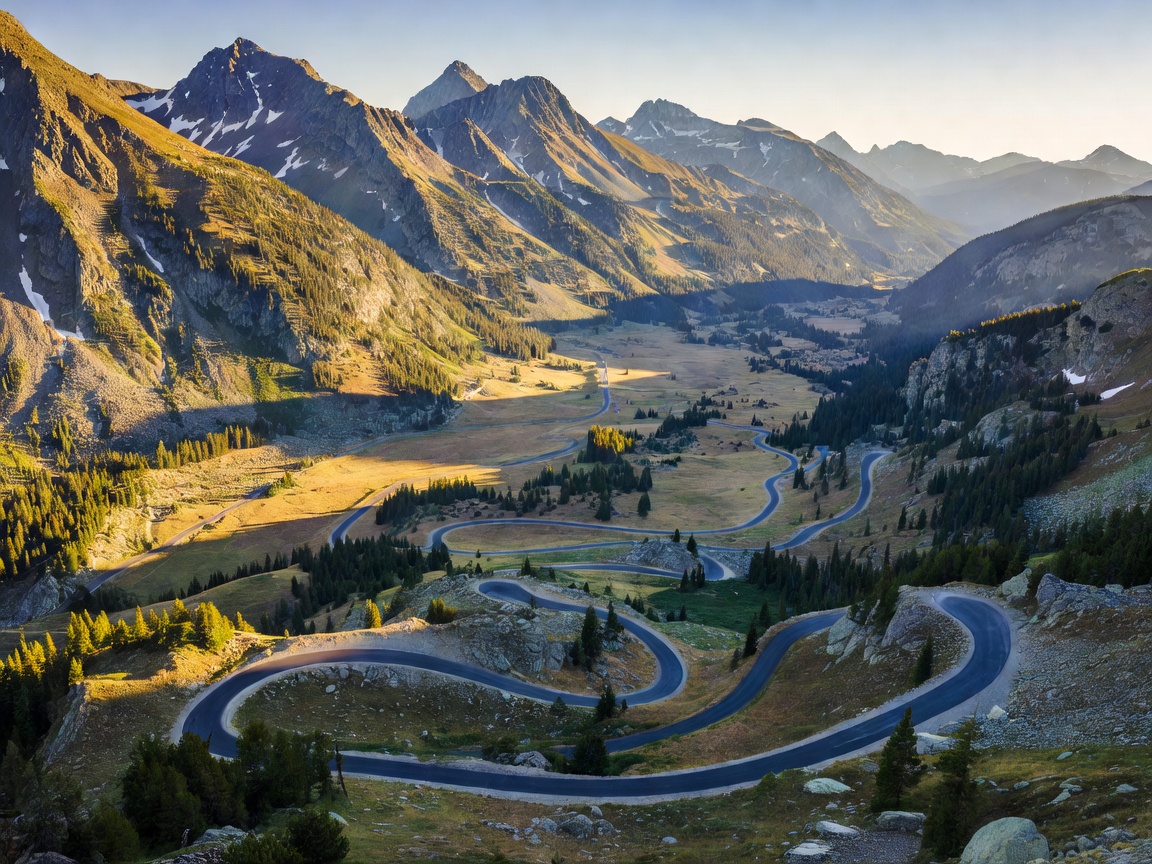
Remote locations can feel immersive and offer a strong connection to the landscape, but may require longer transfers, more walking and greater self-sufficiency. More accessible areas can simplify transport and facilities, while attracting larger crowds or offering a different stage atmosphere. Compare the organizer’s published access plan, not assumptions based on scenery.
Watching a stage is not the same as exploring a region
A rally stage is temporary event infrastructure: a route may be closed, controlled and available only under specific arrangements. A nearby town, museum, public trail or ordinary road is a separate destination with its own access conditions. Plan regional sightseeing independently and check local visitor information before setting out. Never drive onto a closed stage or attempt to follow competing cars.
The advantage of a gravel rally trip is the chance to pair motorsport with countryside, food, culture and outdoor experiences. The limitation is that event locations can be dispersed, and a stage-day itinerary may leave little time for spontaneous detours. A balanced trip usually selects one or two well-researched event experiences and leaves other days for the wider region.
BEFORE YOU GO / CHECKLIST
Research a gravel-rally trip
- Confirm current dates and itinerary with the official event source.
- Read the latest spectator access, parking and walking instructions.
- Check local road closures and plan legal, permitted transport.
- Prepare for dust, rain, uneven ground and changing temperatures.
- Save contact, meeting-point and route details for weak-signal areas.
- Respect barriers, marshals, private land and nearby communities.