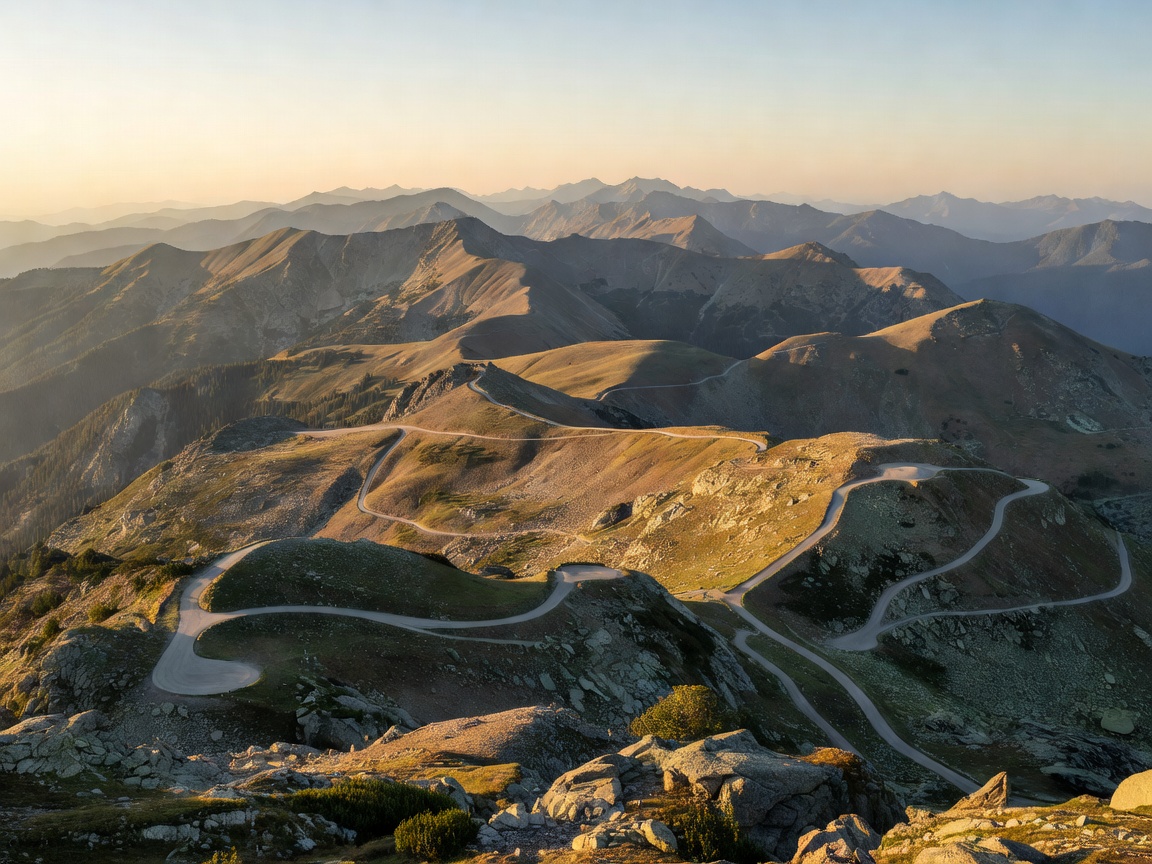
Start with the event calendar, then verify the itinerary
Choose a destination that fits your interests, time, budget and travel needs. Use an official event calendar to identify the event’s published status and dates, then check the current organizer itinerary before booking non-refundable arrangements. Calendars, schedules and spectator plans can change; a past season’s information is not a reliable substitute for current instructions.
Rally events can cover several locations across a region. A single event may involve stages, a service park and other operational areas that are not close together. Research what the itinerary means for your own trip, but do not interpret a stage name or road map as permission to access a route. Official spectator information determines where and how the public may attend.
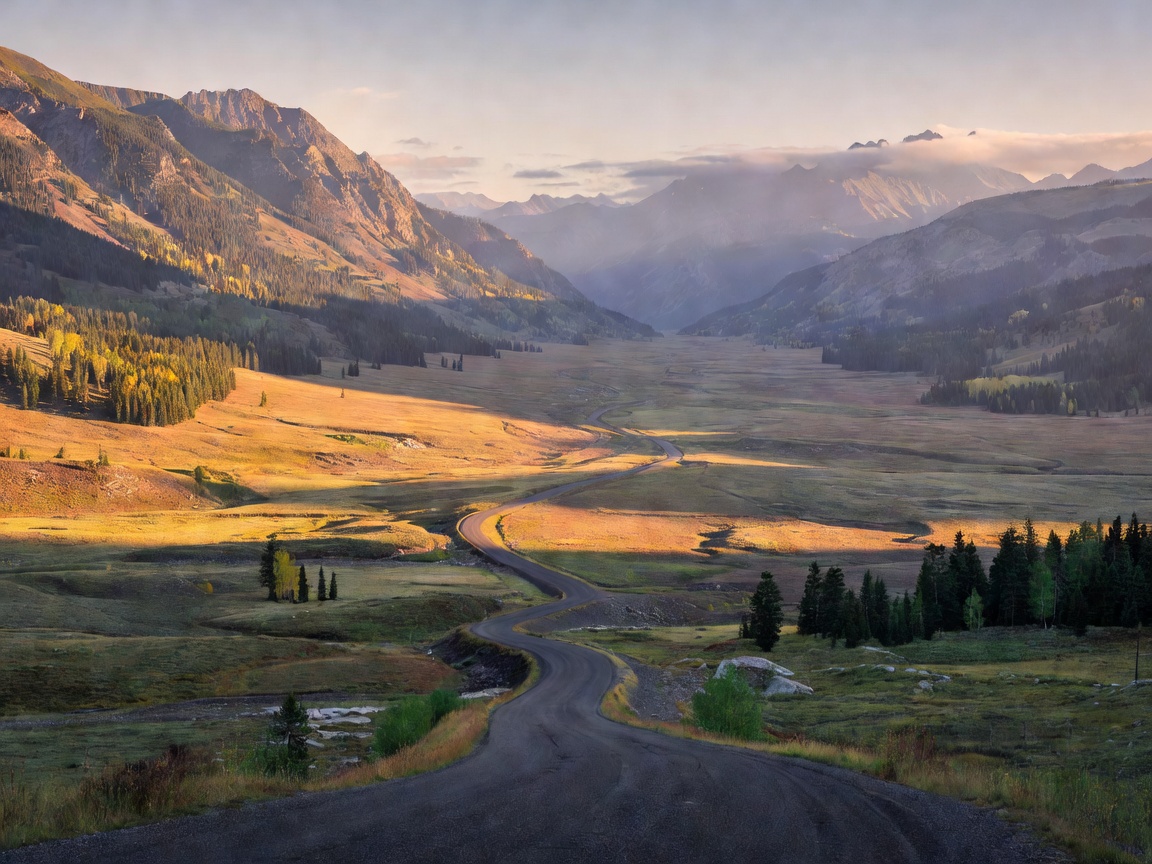
Choose accommodation for the journey, not only the map
Compare accommodation by transport options, services, flexibility and the likely start of your day. A central town may provide more restaurants and connections, while a rural base could shorten one journey but make other travel harder. Measure the actual route and account for event traffic, road controls and the organizer’s access plan rather than relying only on straight-line distance.
Public transport may be practical in some areas and limited in others. Rental vehicles can add flexibility, but parking and permitted access are event-specific. Verify any official parking or shuttle arrangements directly with the organizer. Never assume a private road, farm track or closed stage can be used as a shortcut.
Build a realistic event-day kit
Check the forecast and expected terrain for each day. Pack layers, a weather-resistant outer shell, comfortable shoes with grip, sun or rain protection, and any personal medication. Gravel, snow, mud and tarmac demand different footwear and clothing choices. Bring food and water appropriate to the length of the day, while checking official rules about permitted items and available facilities.
Remote countryside can have inconsistent mobile coverage. Download relevant directions and event material in advance, charge your phone and carry a backup power option. Save your accommodation details and agree on a meeting point. Cashless payment is common in some travel settings, while cash can still be useful elsewhere; check the specific transport and venue policies rather than assuming either method works everywhere.
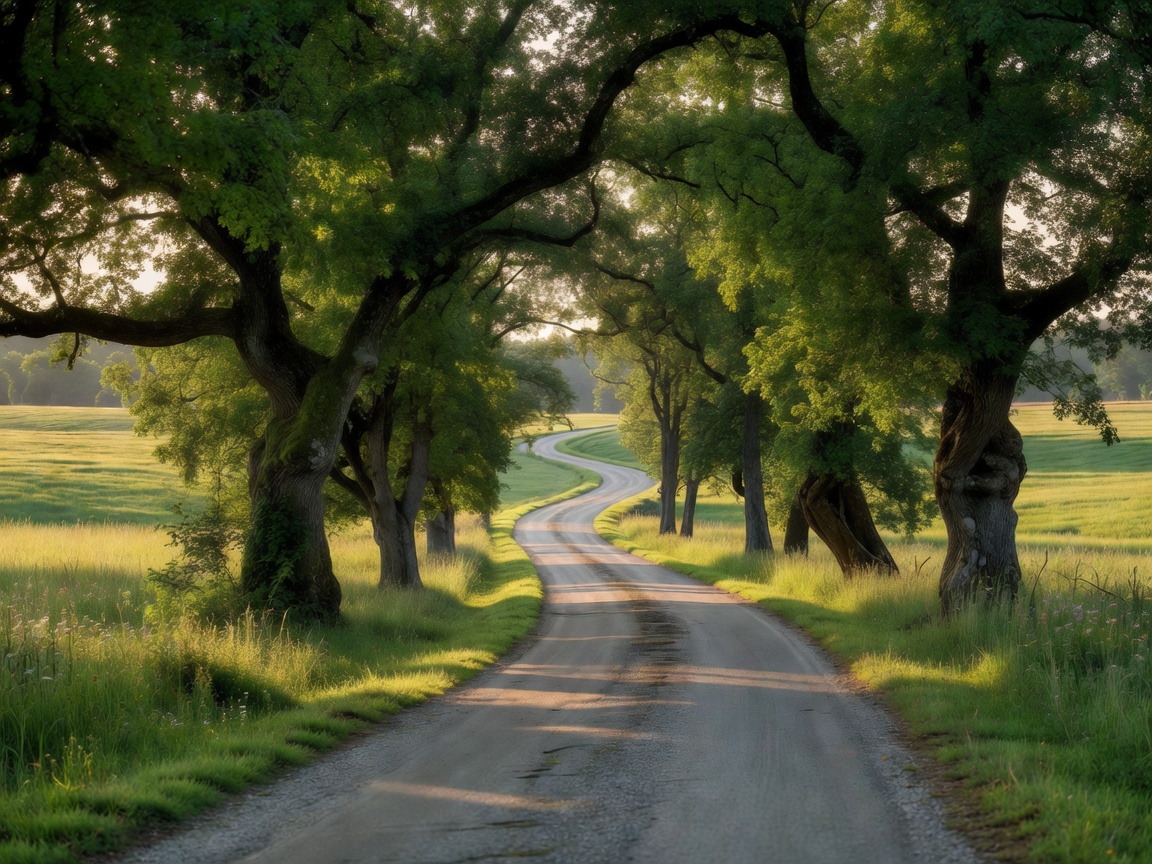
TRAVEL WINDOW / LEAVE ROOM
Plan for movement and disruption
Allow time for walking to spectator zones, controlled access, queues and departure. Weather, traffic or event changes may alter the day. Keep a practical alternative for transport or accommodation and avoid schedules built around a single tight connection. Monitor official notices and local travel information as your trip approaches.
Accessibility, families and contingency plans
Contact the organizer or venue about accessible transport, viewing arrangements, walking surfaces, toilets and companion policies. Do this before booking if those details are essential. A photograph or general description cannot guarantee a particular route is suitable. Families should agree on a meeting location, keep children close in crowds and prepare for long periods outdoors. Check age guidance and any event-specific family information with the official source.
Think through what you will do if a stage is delayed, weather changes or your preferred transport is unavailable. Carry emergency contact details, know how to reach your accommodation and have a plan for a separated group. Follow staff instructions and do not enter restricted roads to recover time or reach a preferred viewpoint.
Make the region part of the trip
A rally visit can be paired with local food, cultural sites, museums or outdoor attractions. Treat these as separate plans: check their own visitor information and opening arrangements, and avoid fitting too many stops around an event day. Established destinations such as Jyväskylä, Umeå, Monaco, Sardinia, northern Portugal and Tartu offer distinct regional contexts linked with rally history or event destinations. Their current event status, access, schedules and visitor services must still be checked through official sources.
The best itinerary often leaves a little unscheduled time. That flexibility lets you enjoy the region, adapt to travel changes and avoid treating local roads as merely a route between motorsport locations.
PRE-DEPARTURE / CHECKLIST
Before you leave home
- Check official event dates, current itinerary and spectator guidance.
- Confirm accommodation terms and transport connections.
- Verify parking, shuttle and walking details with official sources.
- Prepare footwear, layers, weather protection, food and water.
- Save key directions offline and agree a group meeting point.
- Review accessibility and family requirements in advance.
- Keep time and transport alternatives for weather or schedule changes.
- Plan regional visits separately and respect local access rules.
General travel planning gets you ready to make decisions; only current event-specific information can guide access on the day. Keep those two sources of information distinct and your rally trip is more likely to feel considered rather than rushed.