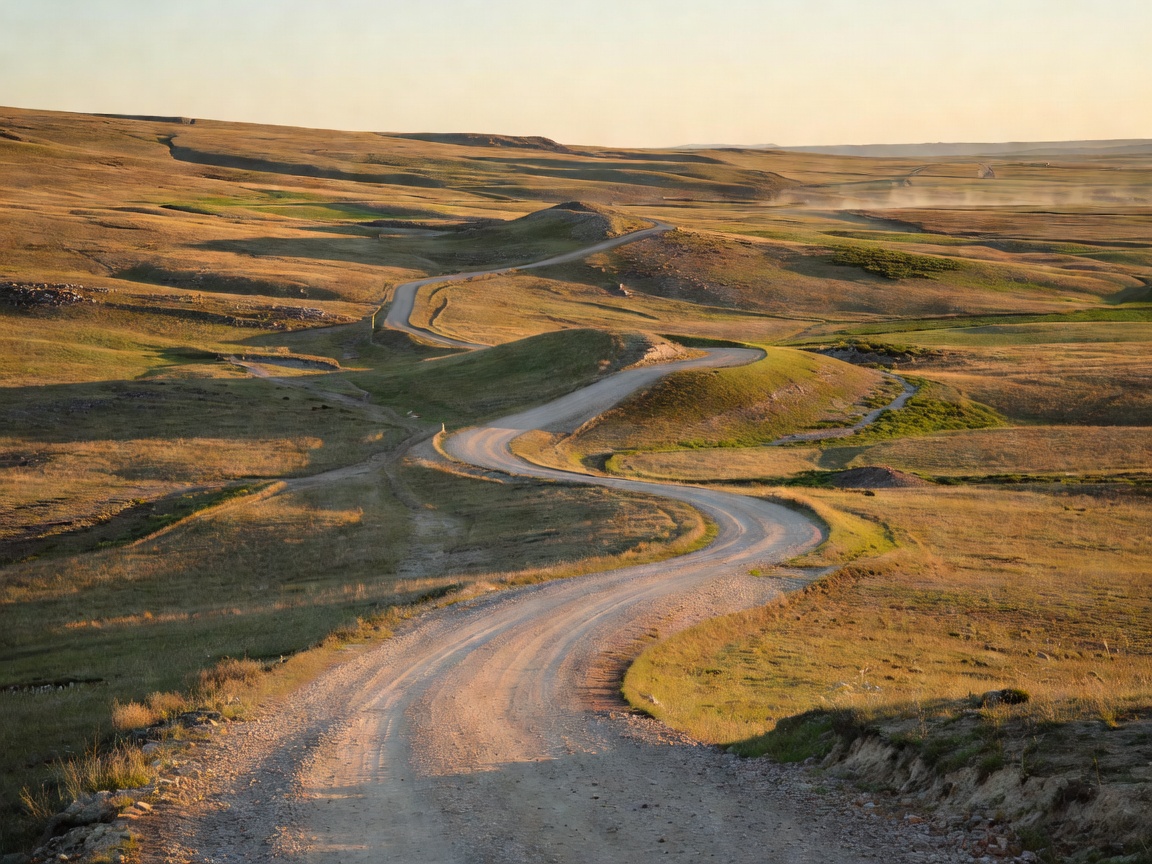
Stage, service park and spectator area: three different places
A rally stage is the competitive section. Crews drive it against the clock, and it may be closed to ordinary traffic during an event. A service park is a separate operational area where teams carry out scheduled work on competing cars between sections. A spectator area is a location that the organizer designates for viewing. These areas may have different access rules, facilities and opening arrangements.
Some events use roadbook instructions, timing controls and liaison sections. A liaison is a road section between competitive stages, usually travelled under road rules rather than against the clock. These details help explain the event structure, but they do not create spectator access. Never use an event diagram or third-party map as permission to approach a route.
Read the current information before travelling
Official event sources may publish a spectator guide, itinerary, access notice or changes close to the event. Check the latest version before leaving accommodation. Look for the event-day schedule, permitted viewing areas, parking instructions, walking distances, shuttle arrangements, road closures and any restrictions on items or access. If guidance conflicts, prioritize the newest official event instruction and ask event staff where appropriate.
Do not assume that a previous year’s information still applies. Routes, spectator capacity, access points and services can change. Organizers may also revise plans due to weather, safety or operational needs. Keep an eye on official updates while travelling and allow time for controlled entry and departure.
Choosing an appropriate viewing position
Use only designated areas and comply with barriers, signs and marshal directions. A visible route, bend, crest or roadside verge is not automatically a safe public viewing place. Stay out of exclusion zones and away from the racing line. Never cross a live stage, pass around a barrier, stand in a prohibited area or assume that another spectator’s position is approved.
When evaluating an official zone, consider how you will reach it, the walking surface, likely weather, facilities, crowd movement and whether the view works for your needs. Sightlines can be limited by trees, terrain or other people. Arrive early only if the organizer permits it, and do not push into a crowded area to improve a view. Keep emergency routes and access lanes clear.
FIELD NOTE / MOVEMENT MATTERS
Plan the arrival and the exit
Popular areas can involve queues, walking and managed entry. Set a meeting point with your group, keep children close and know how you will return to transport. Do not leave the designated route to find a shortcut. After a stage, follow the official departure plan rather than moving against the crowd or attempting to reach a closed road.
Weather, terrain and crowd flow
Stage environments may include gravel, mud, snow, uneven verges or steep paths. Match footwear and clothing to the announced route and forecast. Rain can change footing; heat can increase the need for water and shade; winter conditions can reduce daylight and slow travel. If a route is unsuitable for your mobility or comfort, contact the organizer for current accessibility information rather than assuming an alternative is available.
Marshals and event staff manage spectator movement and communicate operational instructions. Their directions take priority over a guide or a preferred viewing spot. Be patient, keep clear of equipment and leave space for other people. Responsible spectators make it easier for staff to protect the event and the surrounding community.
BEFORE DEPARTURE / OFFICIAL INFO CHECK
Review this before leaving your accommodation
- Latest official itinerary and any schedule changes.
- Confirmed spectator areas and access restrictions.
- Parking, shuttle, walking route and departure arrangements.
- Weather, terrain, daylight and clothing needs.
- Accessibility information, facilities and family arrangements.
- Emergency contact guidance, meeting point and offline directions.
- Reminder to obey signs, barriers and marshal instructions.
The safest approach is straightforward: attend only where the event permits spectators, remain within designated areas, and treat official instructions as the final word. A little advance reading gives you more attention for the atmosphere on the day.