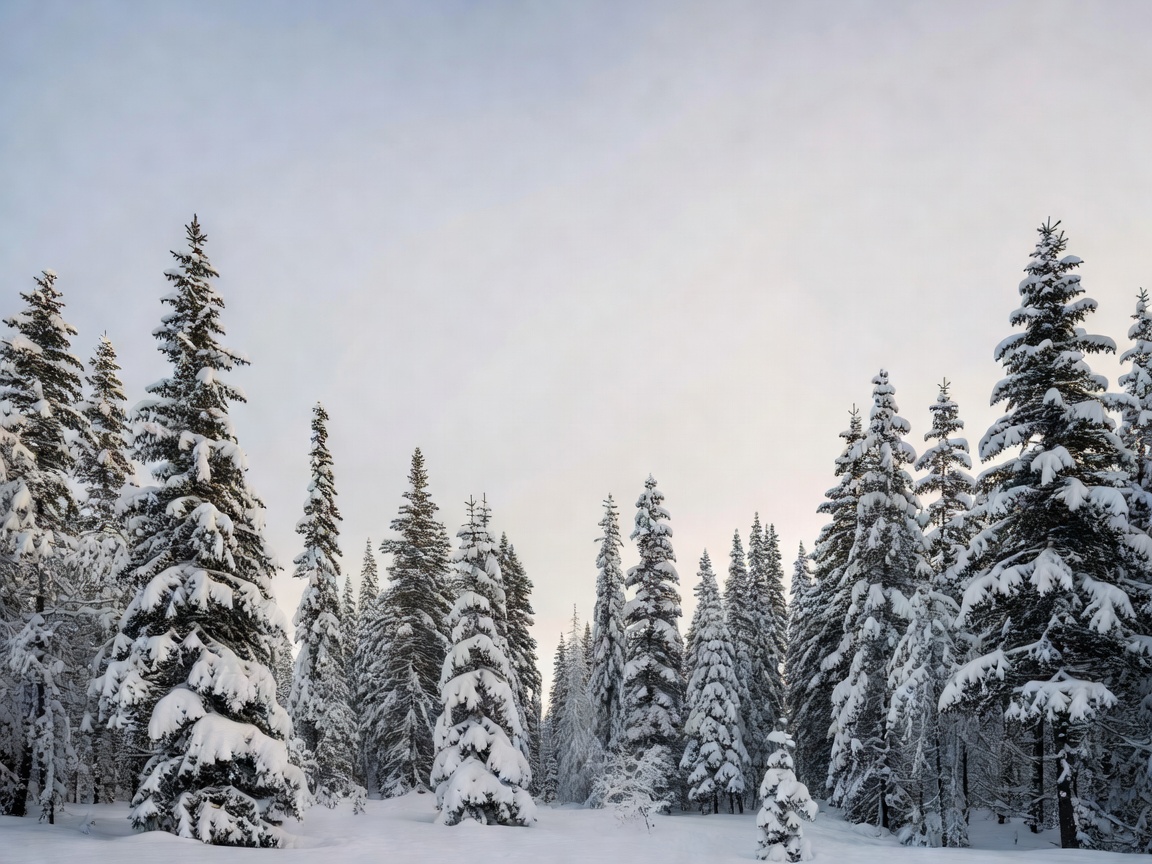
A different kind of rally landscape
Snow and ice events bring competition to winter roads and landscapes. The surface may be packed snow, polished ice, or a mix that varies with temperature, traffic and conditions. Studded tyres are motorsport equipment designed to provide grip on ice in relevant competition conditions; they are not a cue for spectators to imitate rally driving. Road-legal tyre rules and requirements differ by jurisdiction, so ordinary motorists must follow local law and prevailing conditions.
Rally Sweden is associated with the Umeå region, an established winter rally destination. That regional reference does not confirm a particular year’s route, spectator zone or access. Use the event organizer’s current itinerary and official travel guidance for specific arrangements.
Clothing, footing and daylight
Dress in layers that can be adjusted, including a warm insulating layer and a wind- and water-resistant outer layer. Protect hands, head and feet. Select insulated footwear with dependable traction for the ground conditions and the official walking route. Keep spare dry socks or gloves if your plans allow. A long wait while stationary can feel colder than moving through town, so plan for periods of stillness.
Winter daylight may be limited, and poor visibility can affect both walking and driving. Carry a charged phone, a small light if appropriate, and a power bank kept warm. Follow the official access path and do not cross closed roads or enter restricted areas. If the event changes its instructions because of conditions, treat the latest notice as authoritative.
Travel disruption and accommodation
Snow can affect flights, rail, public transport and local roads. Build flexibility into arrival and departure plans, check live travel updates and avoid relying on a single tight connection. If using a rental vehicle, understand its winter equipment, insurance conditions and local driving rules before setting off. Never assume a vehicle is suitable for unploughed or restricted roads.
Accommodation nearer a regional hub may simplify food, services and transport, while a more remote stay could mean longer winter drives and fewer alternatives. Compare access to the event’s announced spectator transport, not an estimated distance alone. Ordinary winter tourism and attending a rally are different: event roads can be temporarily controlled, and a scenic route may be inaccessible during competition.
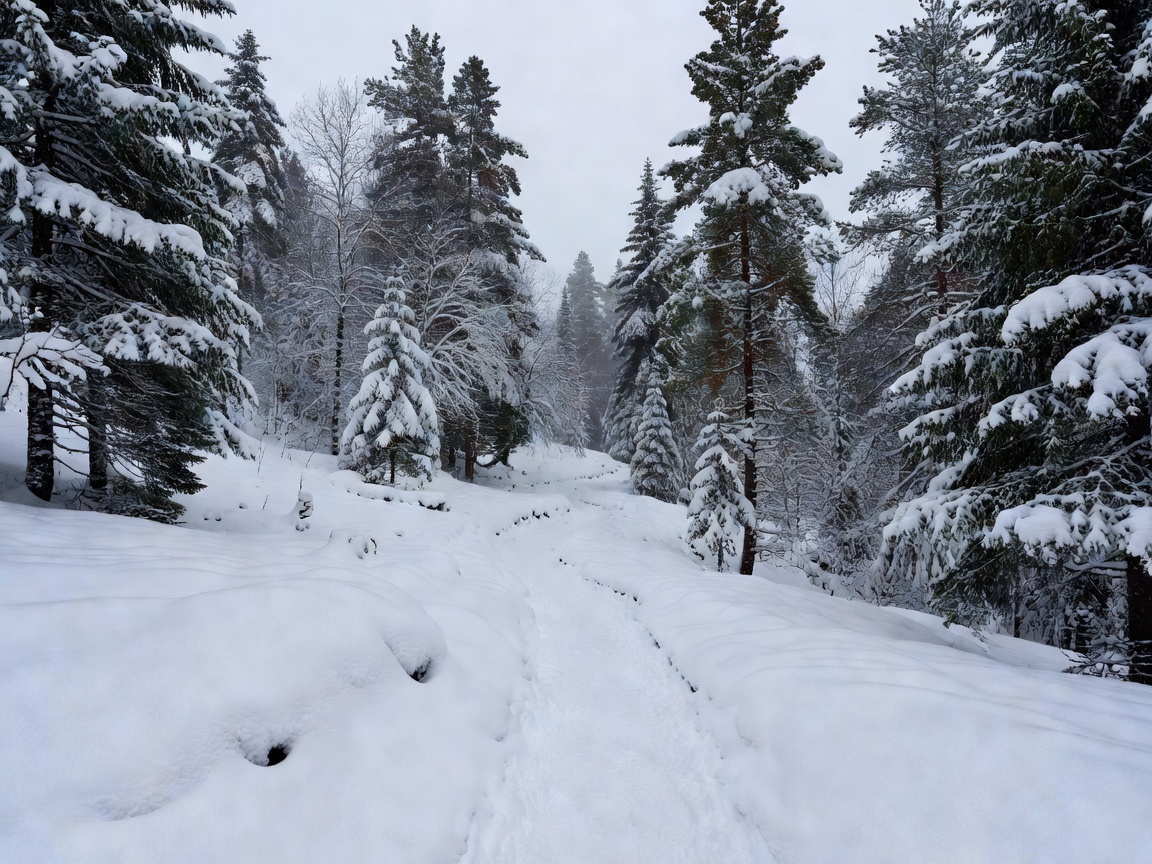
PRACTICAL NOTE / CONDITIONS CHANGE
Winter destination trade-offs
Established winter destinations can combine event infrastructure with regional services and visitor attractions. Remote settings may deliver a quieter landscape but demand more self-sufficiency. Snowfall, wind and temperature can change travel conditions rapidly in either case. Choose your base for reliable transport options and flexibility, not only a dramatic view.
Safe viewing and responsible road use
Only use designated spectator areas described by the organizer. Keep out of exclusion zones, follow marshals, and remain behind barriers where directed. Do not stand on the course, cross a live stage, drive closed roads or follow competing cars. These restrictions protect spectators, competitors, staff and residents. If a viewpoint is crowded, choose another officially permitted option rather than pressing toward an unsafe position.
Keep ordinary driving separate from the sporting spectacle. Follow posted limits, local winter driving advice and road closures. Competing vehicles operate under event controls; public roads remain subject to normal traffic laws and local conditions.
WINTER KIT / CHECKLIST
Before leaving your accommodation
- Check official event notices and the current spectator itinerary.
- Confirm transport, parking or shuttle details from the organizer.
- Layer warm clothing; pack gloves, hat and weather protection.
- Wear stable footwear suited to snow, ice and walking routes.
- Check local road, rail and weather updates before departure.
- Carry water, food, medication, a charged phone and a backup power source.
- Know the return plan and a meeting point if companions separate.
Winter rally travel is rewarding for visitors who respect the conditions and plan conservatively. Make the destination part of a wider trip where possible, but leave room for delays and follow the newest information from event staff and local authorities.